Beyond Bali: Why Indonesia’s Most Spectacular Destinations Extend Far Past the Island’s Shores
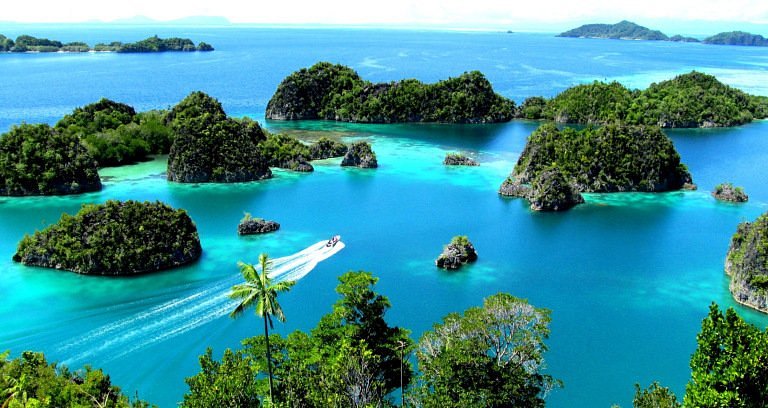
Located in Southwest Papua, Raja Ampat is an archipelago of roughly 1,500 small islands, cays, and islets surrounding four main islands: Waigeo, Batanta, Salawati, and Misool. The region is known for its turquoise lagoons, dramatic limestone karst formations, and some of the richest marine ecosystems on Earth. (Foto: Tripadvisor)
BORDER JOURNAL — Bali is often the first place travelers picture when they think of Indonesia. Its temples, rice terraces, and lively beach towns have earned it a global reputation, and for good reason. Yet Indonesia is an archipelago of more than 17,000 islands, and some of its most remarkable landscapes lie well outside Bali’s familiar boundaries. For travelers seeking coral reefs, volcanic craters, dragon-inhabited savannas, and vibrant traditional villages, the broader Indonesia tourism experience is worth exploring.
Why Bali Captures the Imagination
Bali’s appeal is easy to understand. Its cultural traditions, Hindu ceremonies, and accessible infrastructure make it a natural starting point for first-time visitors. Direct international flights into Denpasar’s Ngurah Rai International Airport bring a steady stream of travelers each year, and the island offers everything from surf breaks to boutique resorts.
But the destination is only one chapter of a much larger story. Across the country, other islands and national parks offer landscapes that are just as striking and, in many cases, far less crowded. Exploring them reveals the depth of Indonesia’s natural and cultural diversity.
Raja Ampat, West Papua: The Heart of Marine Biodiversity
Located in Southwest Papua, Raja Ampat is an archipelago of roughly 1,500 small islands, cays, and islets surrounding four main islands: Waigeo, Batanta, Salawati, and Misool. The region is known for its turquoise lagoons, dramatic limestone karst formations, and some of the richest marine ecosystems on Earth.
Scientists have recorded an exceptional diversity of reef fish and coral species in the area, which is why it sits at the center of global marine conservation efforts. Snorkelers and divers can explore coral gardens teeming with reef life, while kayakers paddle between karst islands draped in tropical forest.
Travel tips for Raja Ampat:
- Access is typically by domestic flight to Sorong, followed by a boat transfer. Plan logistics well in advance.
- Many visitors stay on liveaboards or in homestays managed with local communities.
- Permits and conservation fees may apply; check current requirements with official Papuan tourism authorities before departure.
Because of the remoteness of the region, a Raja Ampat travel guide should always emphasize preparation, including confirming boat schedules and weather conditions.
Lombok: Pristine Beaches, a Sacred Volcano, and Island Culture
Just east of Bali, Lombok in West Nusa Tenggara offers a quieter, more rugged alternative. Its beaches range from powdery white sands to dramatic coves framed by hills, and the island is home to the Sasak people, whose traditional villages such as Sade preserve customary architecture and weaving practices.
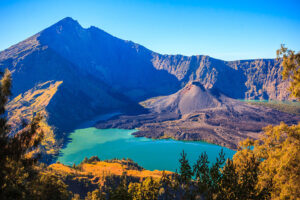
The island’s most iconic landmark is Mount Rinjani, an active volcano and one of Indonesia’s highest peaks. Trekkers attempting the ascent should be aware that conditions vary, that volcanic activity can prompt closures, and that guided trekking is strongly recommended. Nearby, the Gili Islands (Gili Trawangan, Gili Meno, and Gili Air) are car-free and popular for snorkeling, cycling, and relaxed beach days.
Practical notes:
- Lombok International Airport receives domestic and some international connections.
- Dry season, roughly April through October, is generally favored for trekking and beach visits.
- Check the current status of Rinjani National Park with park authorities before planning a summit attempt.
Komodo National Park: Home of the Giant Lizard
Komodo National Park in East Nusa Tenggara is a UNESCO World Heritage Site protecting the habitat of the Komodo dragon, the world’s largest living lizard. The park encompasses Komodo, Rinca, Padar, and numerous smaller islands, along with extensive marine areas.
Beyond the dragons, the landscapes are dramatic. Padar Island is known for its ridge-top viewpoint overlooking curving bays, and Pink Beach gets its name from the reddish tint of fine sand created by microscopic organisms. The surrounding waters are part of one of the most biodiverse marine regions in the world, with strong currents supporting manta rays, sea turtles, and vibrant reefs.
Responsible visiting:
- Komodo dragons are wild animals. Always follow ranger instructions and keep a safe distance.
- Entry to the park requires official fees and is managed by Indonesia’s national park authority.
- The park is usually visited by boat from Labuan Bajo on Flores, which serves as the main gateway.
Mount Bromo: Sunrise Over a Sea of Sand
In East Java, Mount Bromo is one of the most photographed volcanic landscapes in Indonesia. Part of Bromo Tengger Semeru National Park, the active volcano rises from a vast, flat expanse known as the Sea of Sand (Laut Pasir), which is used for traditional Tengger ceremonies.
Many visitors begin before dawn, driving or hiking to viewpoints such as Penanjakan to watch the sun rise over the caldera and the surrounding peaks, including Mount Semeru, Java’s highest volcano. The sight of mist drifting across the sand as the sky brightens is a highlight of any Mount Bromo sunrise trip.
Planning your visit:
- The nearest major city is Malang, and Surabaya’s airport is a common arrival point.
- Dress warmly; temperatures at elevation can be very cold, especially before sunrise.
- Follow park guidelines and respect the Tengger community’s religious sites. (*)